Homemade Pasta Melbourne: What Makes Italian Pasta Worth Ordering
Italian pasta has earned its place at the centre of countless restaurant meals because a simple combination of ingredients can produce remarkable variety. For diners searching for homemade pasta in Melbourne, the appeal lies in discovering pasta made for a particular recipe, thoughtfully paired with its sauce and served as part of a complete Italian meal. Understanding the qualities behind a good plate also makes it easier to appreciate why homemade pasta continues to hold such an important place in Italian dining.
What Makes Homemade Italian Pasta Different?
Homemade pasta is prepared in the kitchen rather than arriving as a finished commercial product. Depending on the recipe, cooks may work with flour and eggs, semolina and water, potato-based mixtures or other established combinations.
Making pasta in-house also gives the kitchen greater control over its shape, thickness, and size. These details can be adjusted according to the intended recipe, creating a closer relationship between the pasta and the ingredients served with it. It is one reason homemade pasta Melbourne attracts diners interested in a more considered Italian meal.
Italian Pasta Offers More Variety Than Many Diners Expect
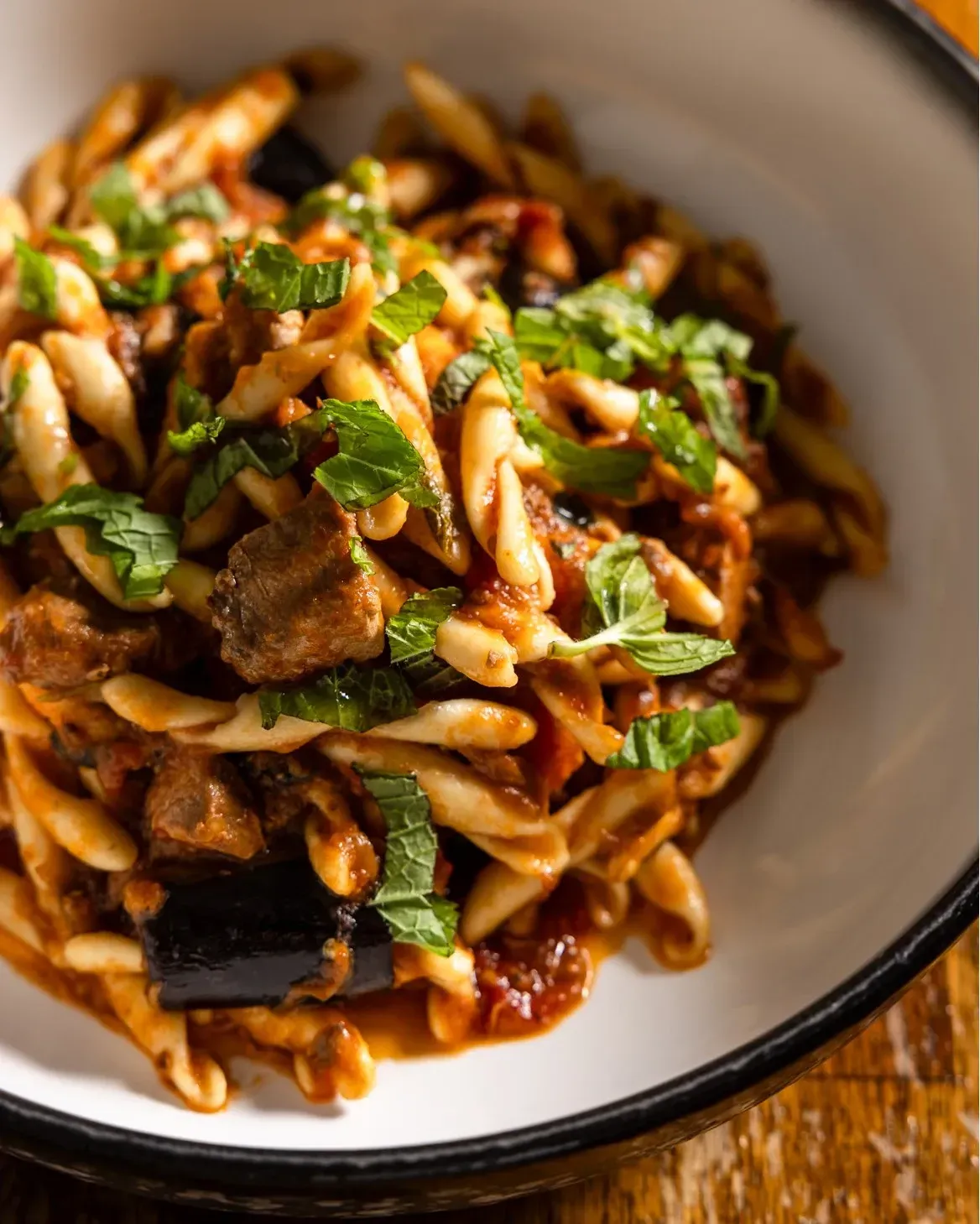
Pasta is not a single style of food repeated with different sauces. Italy has hundreds of recognised shapes and numerous regional recipes, with long ribbons, tubes, sheets, filled varieties and smaller forms created for different culinary purposes.
Homemade pasta adds another dimension, as restaurants can produce specific varieties for their own dishes. Il Caminetto, for example, offers house-made pasta in various preparations on its menu, including Spaghetti Marinara with prawns, mussels, calamari, and fish; Spaghetti Bolognese; Penne Amatriciana; and Linguine Carbonara. Each offers a noticeably different way to enjoy Italian pasta.
Regional Traditions Give Italian Pasta Its Character
One of the most interesting aspects of Italian pasta is its regional diversity. Northern areas such as Emilia Romagna (from where our co-founder Roberto Davoli is from) are well known for egg-based pasta, while durum wheat and water are strongly associated with many southern traditions. For someone coming from Reggio Emilia like Roberto, pasta is something like a religion and if it is not done the proper way it will never hit the table! Local ingredients and cooking customs have influenced these differences over generations.
Sauces vary just as widely, ranging from slow-cooked meat ragù to seafood, vegetables, cheese, and simpler olive oil-based combinations. This regional diversity explains why Italian pasta can offer very different dining experiences without moving away from its culinary foundations.
Quality Ingredients Still Matter in a Simple Pasta Dish
Pasta recipes can appear remarkably simple, yet with fewer ingredients, there is little room for poor quality or careless cooking. The flour used for the dough, eggs, vegetables, cheese, herbs and sauce ingredients all contribute directly to the finished flavour.
Simplicity is therefore one of pasta's strengths rather than a limitation. The respect for the ingredients is a must. A well considered recipe does not require an excessive number of components to be satisfying. For people comparing homemade pasta in Melbourne, attention to ingredients can be just as important as making the pasta in-house.
Homemade Pasta Can Suit Different Dining Preferences
Italian pasta is adaptable because many recipes can be built around vegetables, mushrooms, tomatoes, herbs, and other plant-based ingredients rather than relying exclusively on meat. The suitability of an individual plate still depends on its dough, sauce and finishing ingredients, so diners with dietary preferences should check the restaurant's current offering.
For people researching the best vegan food in Melbourne has to offer, Italian restaurants can therefore be worth exploring alongside dedicated plant-based venues. Asking about ingredients remains important, particularly because some fresh pasta recipes contain eggs or dairy products.
What Should You Look for When Ordering Homemade Pasta?
A good plate should make sense as a whole. Sauce needs to complement rather than hide the pasta; the seasoning should remain balanced; and additional ingredients should have a clear purpose. Excess sauce or unnecessary garnishes do not automatically make a meal more generous or better prepared.
Restaurant descriptions can also provide useful information about house-made items and their accompanying ingredients. When choosing homemade pasta in Melbourne, diners can look for clear combinations rather than assuming that a complicated description signals greater quality.
Enjoy Homemade Italian Pasta at Il Caminetto
Il Caminetto brings homemade pasta into a wider Italian dining experience in Moonee Ponds. Rather than presenting pasta as an isolated speciality, the restaurant serves it alongside wood-fired pizza, antipasti, seafood and other Italian favourites, allowing guests to choose according to the occasion and their preferred dining style.
Its pasta selection includes several house-made preparations with different sauces and cooking styles. For diners interested in homemade pasta in Melbourne, it offers a chance to explore familiar Italian recipes in a neighbourhood Italian restaurant setting.
Frequently Asked Questions
Is homemade pasta always made on the same day?
Not necessarily. Restaurants can organise pasta production differently depending on the type being prepared, expected service volume and storage requirements. Some varieties may be produced for immediate service, while others can be prepared ahead under appropriate food storage conditions. For diners searching for homemade pasta in Melbourne, the term generally refers to pasta produced in-house rather than to pasta made immediately before it is ordered.
Can homemade pasta be vegetarian or vegan?
Yes, although the complete recipe needs to be considered. Some pasta doughs contain eggs, while others can be prepared with semolina or flour and water. Sauces and finishing ingredients may also include cheese, butter, meat or other animal products. Diners interested in the best vegan food in Melbourne should therefore check the dough and accompanying ingredients, as a vegetable-based sauce alone does not necessarily mean the entire pasta dish is vegan.
Can homemade pasta be gluten free?
Yes, homemade pasta can be prepared with gluten-free ingredients, although the recipe and production method differ from those for conventional wheat-based pasta. Alternative flours and starches may be used to provide sufficient structure for rolling, shaping, and cooking. For people with coeliac disease or a serious gluten intolerance, ingredients are only part of the consideration. Cross-contact during preparation and cooking also matters, so diners should always confirm the restaurant's procedures before ordering.
Discover Homemade Pasta at Il Caminetto
A good Italian pasta dish brings together the right ingredients, a suitable shape, careful cooking, and a sauce that complements the dish. Homemade varieties add another point of interest by allowing restaurants to produce specific styles in their own kitchens. For diners exploring homemade pasta in Melbourne, understanding these qualities makes it easier to appreciate what sets a thoughtfully prepared plate apart. Visit Il Caminetto in Moonee Ponds to enjoy its house-made pasta and discover a broader selection of Italian favourites. Book a table and experience Italian dining with family or friends.